
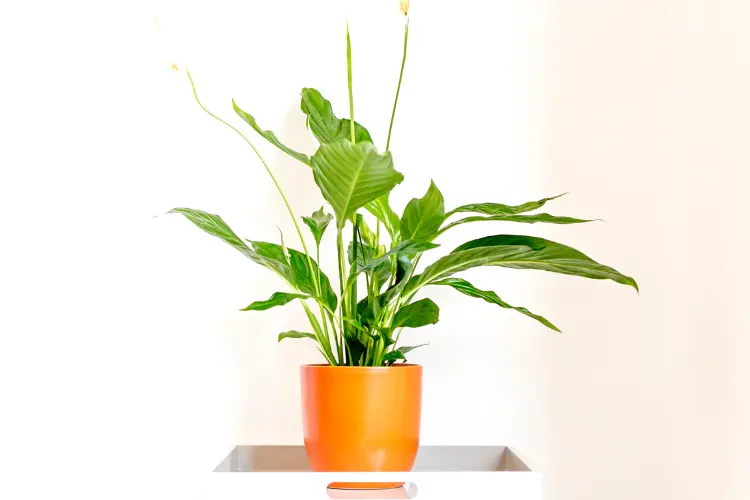
Discover the Serenity of Peace Lily: Tips for Growing and Caring
Dive into the world of peace lilies with our comprehensive guide. From nurturing to troubleshooting, discover the tips and tricks for cultivating these serene plants.
Share This Post!
Peace Lily (Spathiphyllum wallisii) At-a-Glance
| Botanical Name | Spathiphyllum wallisii (Araceae Family) | Light Range | Medium to bright indirect light (200–500 FC); tolerates shade |
| Watering Rule | Water when top 1 inch is dry (before dramatic wilting) | Water Quality | Filtered, rain, or distilled water (sensitive to chlorine/fluoride) |
| Humidity & Temp | 50–65% RH | 65°F–80°F | Pet Safety | Toxic to cats & dogs (insoluble calcium oxalates) |
How to Trigger Peace Lily Blooms Indoors (Why Green Spathes Happen)
The iconic white "flower" of a Peace Lily is actually a modified leaf bract (spathe) cradling a creamy central spike (spadix). If your Peace Lily has stopped blooming or its white spathes turn green, adjust these three factors:
1. Move From Deep Shade to Bright Indirect Light
While Peace Lilies survive in dark hallways, they require 300–500 foot-candles of bright, curtain-filtered light (like an east window) to initiate flower spathes.
2. Why White Flowers Turn Green
As a Peace Lily bloom finishes pollination after 3–4 weeks, the white spathe naturally produces chlorophyll and turns green. Snip spent flower stalks at the base.
3. Stop Brown Leaf Tips Permanently
Municipal tap water fluoride and water-softener salts accumulate at leaf tips. Switch to filtered or rainwater to keep foliage emerald green from base to tip.
Peace Lily Symptom & Troubleshooting Matrix
| Visual Symptom | Primary Cause | Botanist Fix |
|---|---|---|
| Dramatic drooping / fainting leaves with bone-dry soil | Thirsty roots (transpiration exceeding water uptake) | Bottom-water for 20 minutes; leaves will stand back up within 3–6 hours. Avoid letting it wilt repeatedly. |
| Drooping leaves with wet, soggy soil | Root rot from over-watering or compacted soil | Unpot, trim black mushy roots, and repot into fresh potting mix amended with 25% perlite and orchid bark. |
| Crispy brown leaf tips with yellow halos | Tap water chlorine/fluoride, fertilizer burn, or dry air | Flush soil with distilled water, dilute liquid fertilizer to half-strength, and maintain 50%+ humidity. |
Levoit Top-Fill Cool Mist Humidifier for Indoor Plants
Maintaining steady 55–60% relative humidity eliminates crispy brown Peace Lily leaf tips and keeps white flower spathes lasting weeks longer indoors.
Check Price on Amazon →Reader Disclosure: As an Amazon Associate, Plantyland earns from qualifying purchases at no additional cost to you.
In a bustling world, finding moments of tranquility is like stumbling upon hidden treasures. One such treasure is the Peace Lily, a plant that not only graces your space with elegance but also brings a sense of calm.
In this guide, we’ll explore the secrets of growing and caring for Peace Lilies, unlocking the doors to a serene oasis right in your home.
Understanding Peace Lilies
| Common Name | Peace Lily |
|---|---|
| Botanical Name | Spathiphyllum |
| Other Names | i-White Sails ii- Spathe Flower iii- Cobra Plant |
| Family | Araceae |
| Maximum Growth | 1-ft to 16-ft |
| Poison Property | Slightly Poisonous to human & pets |
What Makes Peace Lilies Unique?
In the botanical dictionary, Peace Lilies symbolize tranquility, harmony, and purity.
Understanding this language is the first step towards fostering a thriving relationship with these green companions.
Planting Seeds of Serenity: Growing Peace Lilies
Choosing the Right Environment
Selecting the Perfect Spot:
Planting the seeds of serenity begins with choosing the right environment for your Peace Lily.
These shade-loving plants thrive in indirect sunlight, making them perfect for corners or spaces with filtered light. Remember, they enjoy a bit of mystery; avoid exposing them to direct sunlight for prolonged periods.
The Soil Puzzle
Crafting the Ideal Mix Peace Lilies revel in well-draining soil with a hint of acidity.
A mix of nutrient-rich potting soil, perlite, and a dash of humus creates the perfect concoction for their roots to delve into. Ensure your pot has drainage holes to prevent waterlogged roots—a crucial aspect in their quest for serenity.
Nurturing Serenity: Watering Wisdom
Balancing Act of Hydration When it comes to watering Peace Lilies, striking a balance is key.
They communicate their needs through drooping leaves, a subtle reminder not to drown them in affection.
Allow the top inch of the soil to dry out before indulging them with a thorough watering session. Remember, soggy soil disrupts their tranquil demeanor.
Mist and Music: Additional Touches
Adding a touch of humidity through occasional misting mimics their natural habitat. Play some soft music—perhaps a symphony for serenity—to create an ambiance that nurtures both body and soul.
The Art of Serene Maintenance: Caring for Peace Lilies
Feeding the Serenity: Fertilization Insights
Choosing the Right Feast Peace Lilies appreciate a balanced, water-soluble fertilizer during the growing season.
Opt for a formula with equal parts of nitrogen, phosphorus, and potassium to maintain their lush foliage and encourage occasional blooms. Remember, moderation is key—feeding them lightly every six weeks keeps the serenity flowing.
Pruning for Elegance
Trimming Brown Edges To maintain the aesthetic appeal of your Peace Lily, don’t shy away from pruning.
Trim brown edges with clean, sharp scissors, allowing the plant to channel its energy towards new growth. It’s like giving them a spa day, promoting not just physical but also aesthetic well-being.
Troubleshooting Tranquility: Addressing Common Concerns
Yellowing Leaves: Decoding the Distress Signal
Overhydration Woes Yellowing leaves often signal distress in Peace Lilies, and more often than not, it’s due to overhydration.
Ease up on the watering schedule, allowing the soil to breathe and the roots to find their peace.
Sunburn Sorrows
Direct sunlight can cause sunburn on the delicate leaves of Peace Lilies. If you notice brown patches, consider moving them to a shadier spot to let them recover gracefully.
Pest Predicaments: Uninvited Guests
Spider Mites and Aphids: Silent Intruders Even in the serene world of Peace Lilies, pests can be uninvited guests. Keep an eye out for spider mites and aphids.
A gentle wipe with a damp cloth or a mild soap solution ensures these intruders don’t disrupt the tranquility.
In the journey of growing and caring for Peace Lilies, it’s not just about nurturing a plant; it’s about fostering a connection with serenity. As you embark on this green adventure, remember that the tranquility you cultivate goes beyond soil and petals—it becomes a part of your daily life.
FAQs: Unveiling Answers to Common Queries
Q1: Can I place my Peace Lily near an air conditioner or heating vent?
Sudden temperature fluctuations can stress the plant, impacting its overall well-being.
Q2: How often should I repot my Peace Lily?
Typically, consider repotting every one to two years, ensuring the new pot provides ample space for root expansion.
Q3: Are Peace Lilies safe for pets?
Unlock the secrets of Peace Lilies, and let the serenity blossom in your home. Happy gardening!